How to Choose the Best Pavers for Fort Worth's Climate and Soil Conditions
Choosing the right pavers for Fort Worth, TX, requires understanding the region's extreme summer heat and the expansive clay soil beneath every property. This guide covers key paver material types, how North Texas soil conditions affect long-term performance, and what to look for when selecting a paving contractor serving Fort Worth, TX.
Why Fort Worth's Soil and Climate Make Paver Selection Critical
Fort Worth sits on Blackland Prairie clay, which expands when wet and contracts when dry. That constant shrink-swell movement puts enormous stress on rigid surfaces. Summers regularly push above 100°F, UV exposure is intense from late spring through September, and occasional winter freezes expose every weakness in a poorly chosen material.
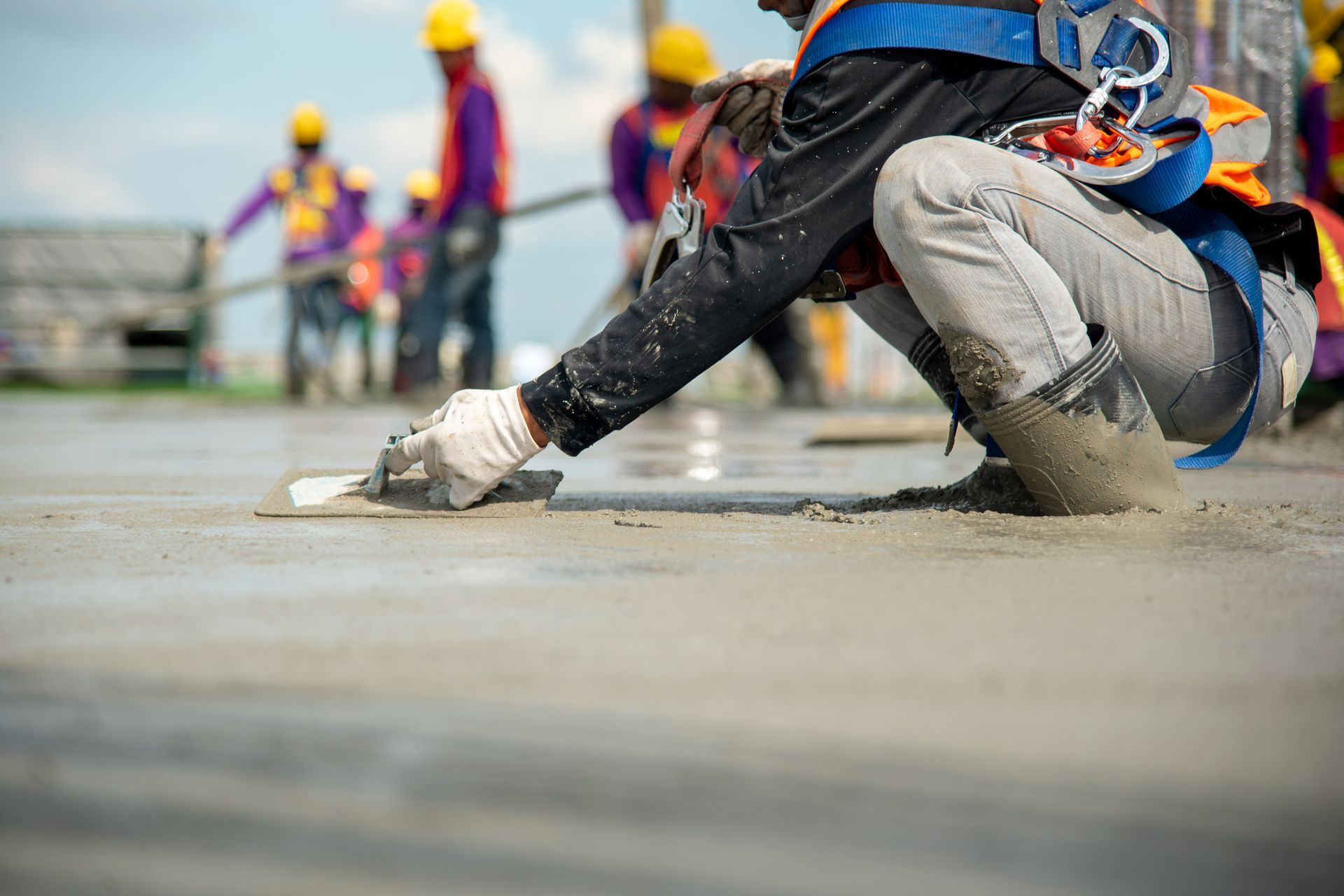
Individual paving units handle Fort Worth's clay better than poured slabs because they flex with soil movement instead of cracking. That flexibility makes material selection especially important, since not every paver type behaves the same way under these conditions.
What Are the Best Paver Materials for Fort Worth?
The right material depends on the specific use, your property's soil conditions, and how much maintenance you are willing to do.
Brick Pavers
Brick is a longtime favorite in older Fort Worth neighborhoods. Its dense structure handles Texas temperature fluctuations well and suits traditional architecture throughout the city. However, clay soil can cause brick units to shift or settle unevenly if the base is not properly prepared, making a deep, compacted aggregate base especially important.
Travertine Pavers
Travertine stays noticeably cooler underfoot than darker materials during peak afternoon heat, making it practical for surfaces in full sun. Its open pore structure can require periodic sealing to guard against staining and moisture absorption during Fort Worth's heavy spring rains.
Porcelain Pavers
Porcelain offers a low-maintenance surface with strong resistance to staining, fading, and mold. It can become very hot underfoot during peak summer hours, and its density makes base preparation quality critical on Fort Worth clay.
Flagstone and Natural Stone Pavers
Limestone and flagstone are naturally heat-resistant and common in North Texas hardscaping. Both stay cooler than many manufactured alternatives and blend well with regional architecture. Irregular shapes require more installation precision, which can extend project timelines. Like all paver types, performance on Fort Worth clay depends heavily on base depth and compaction.
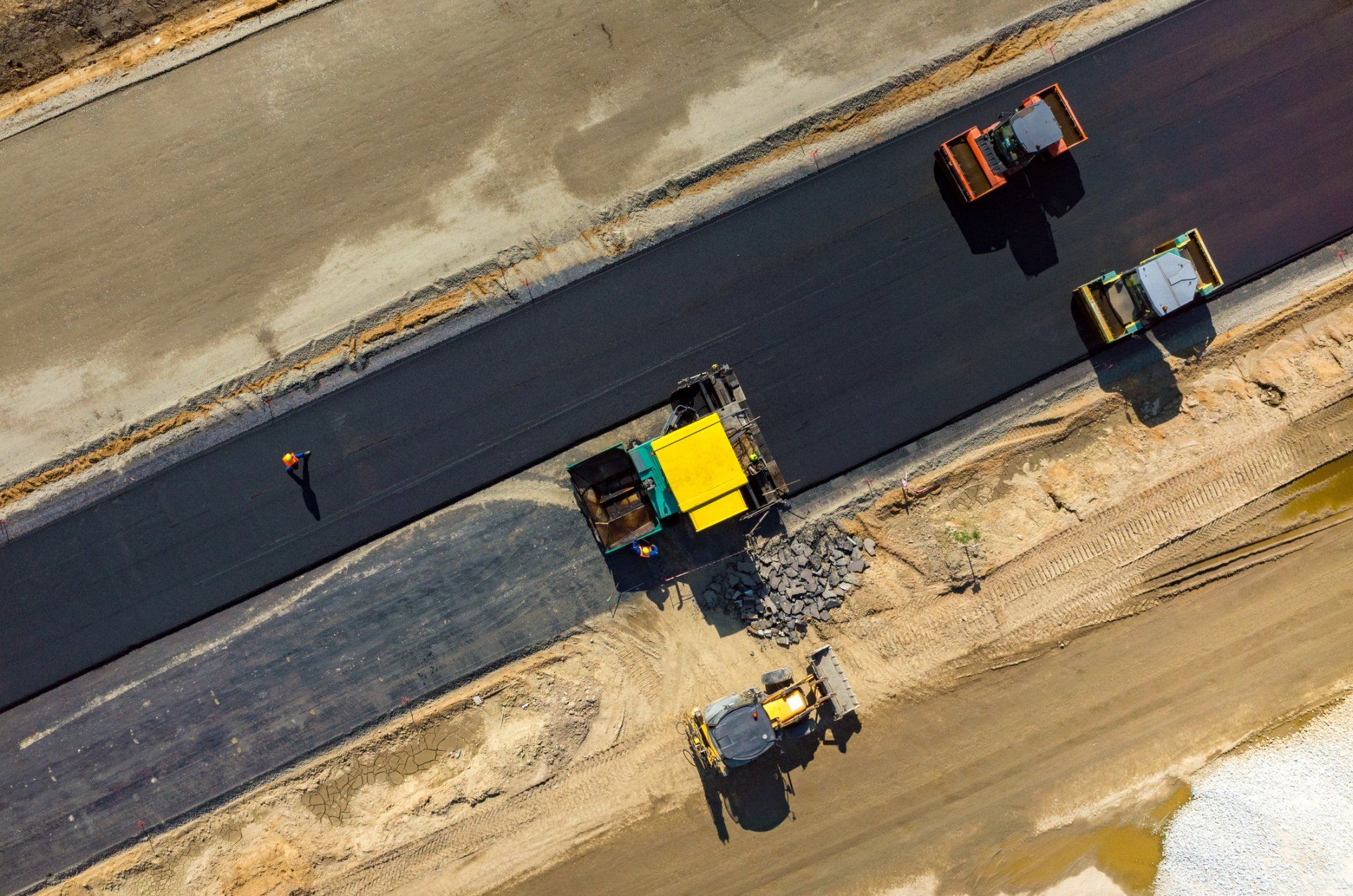
Asphalt Pavers
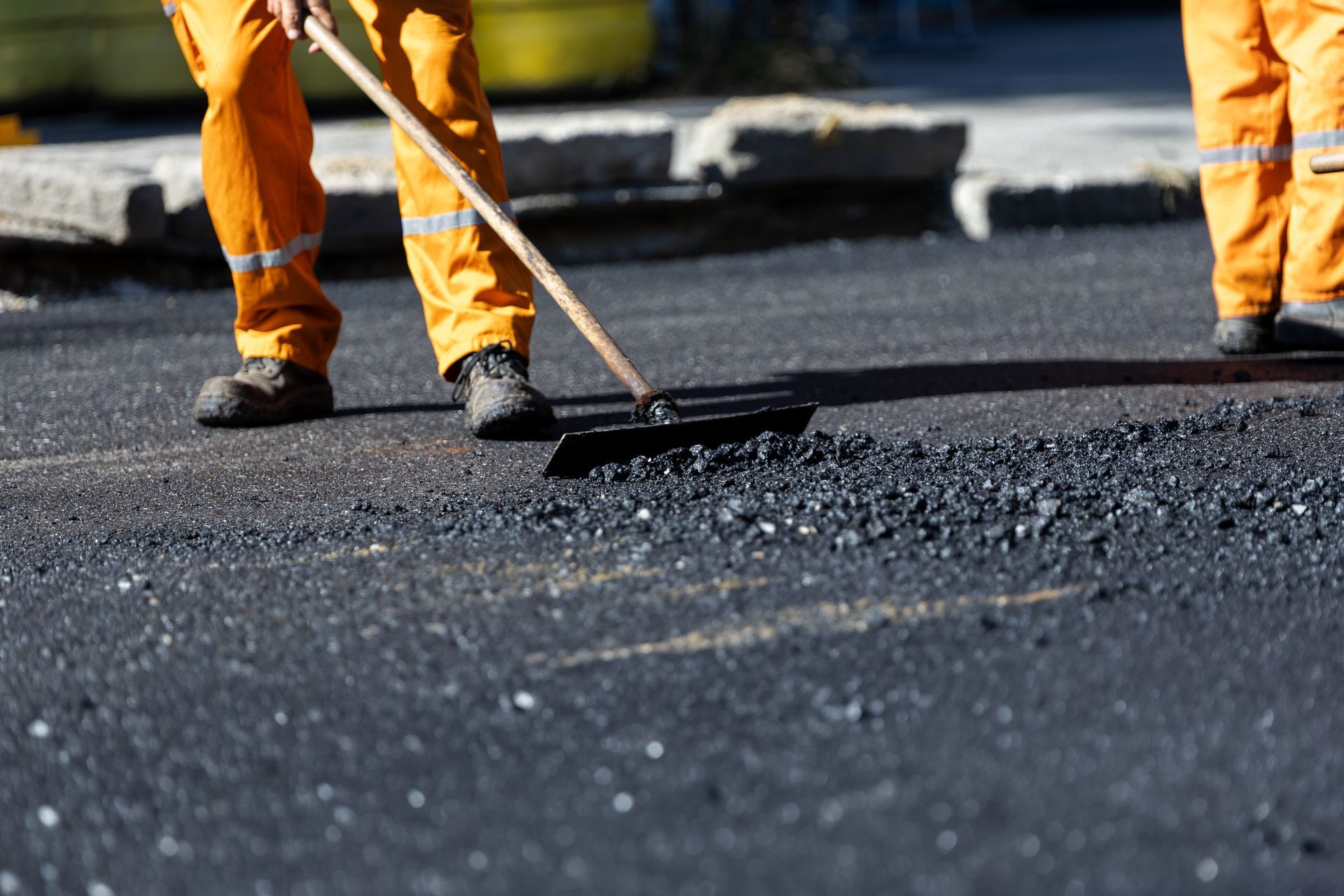
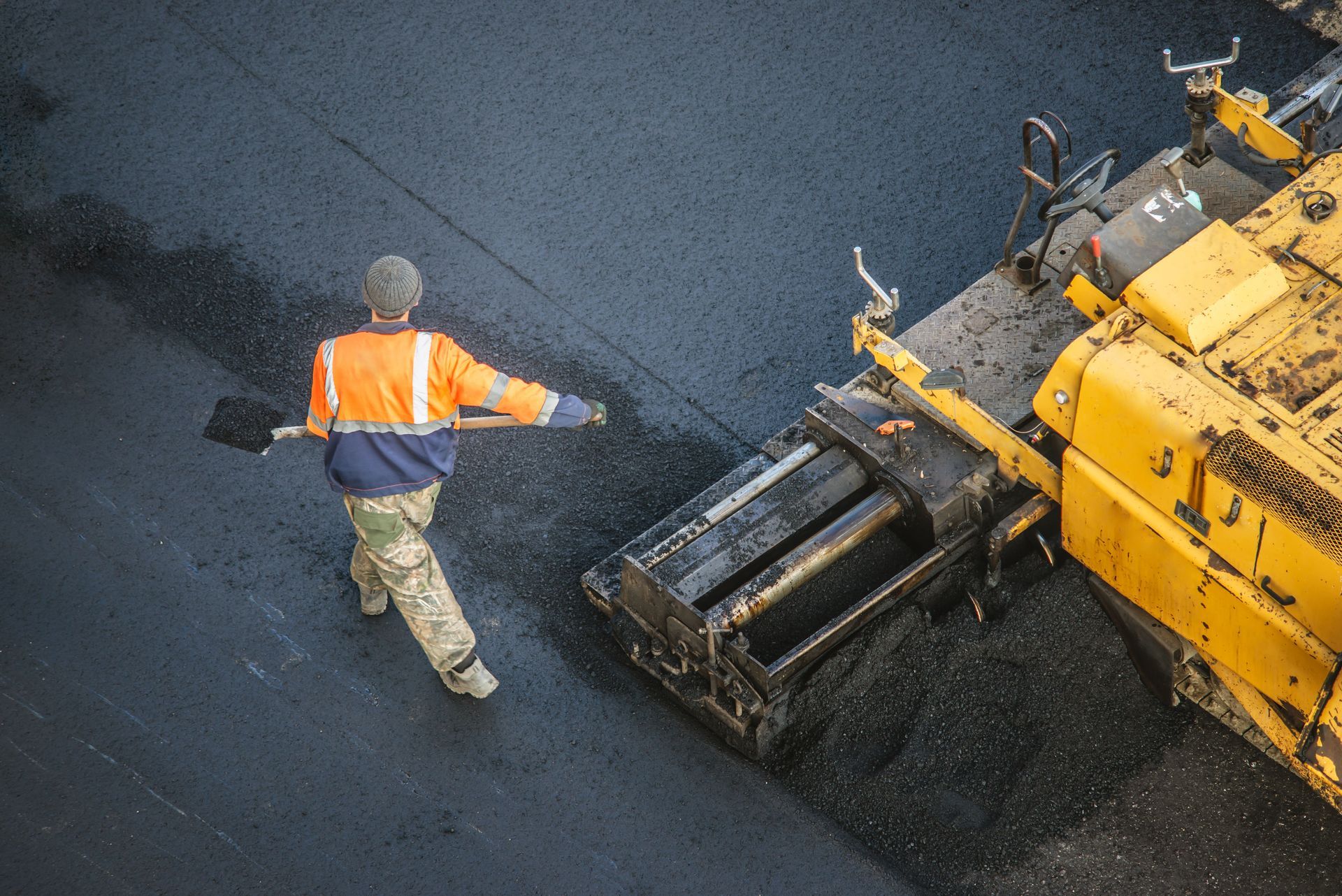
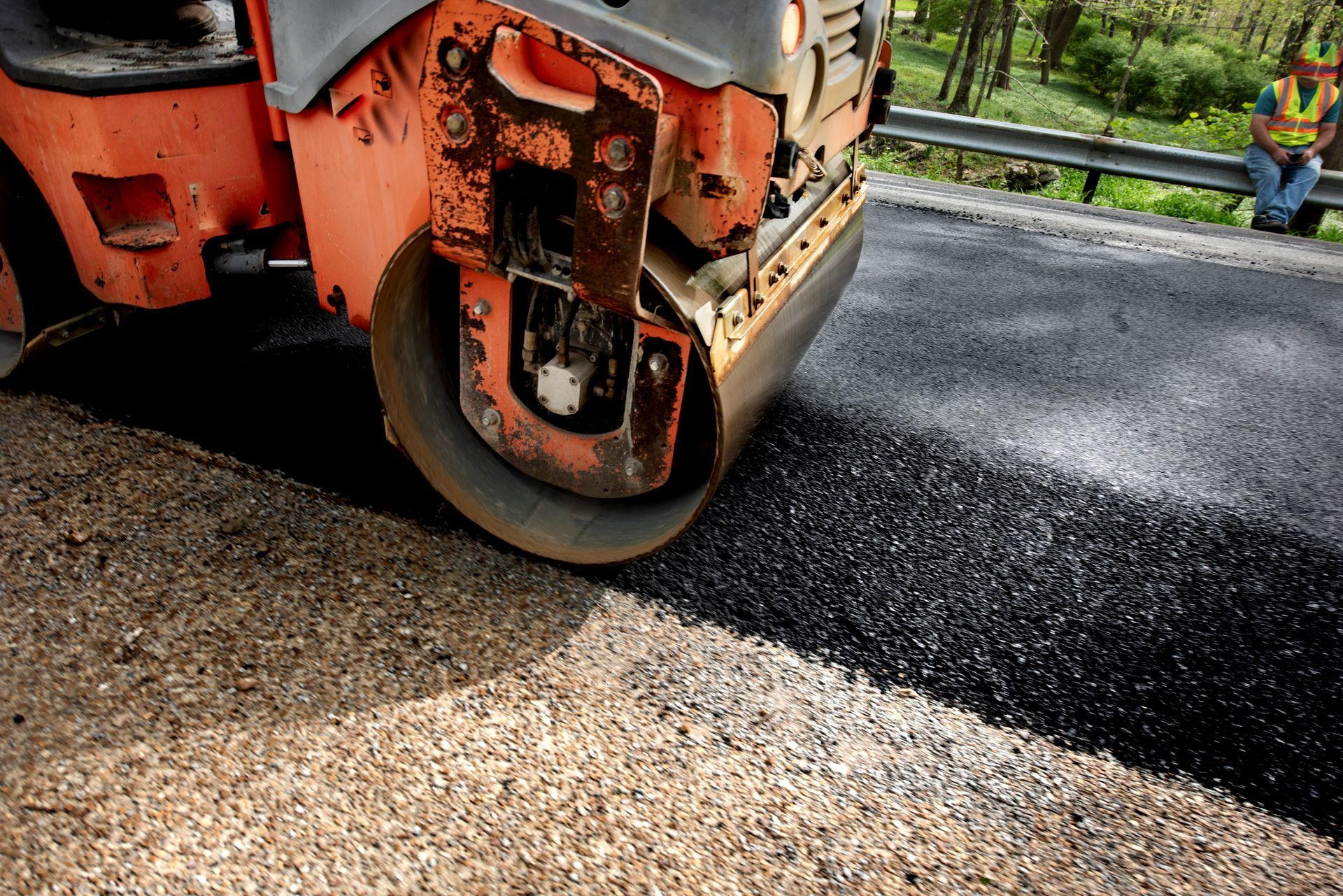
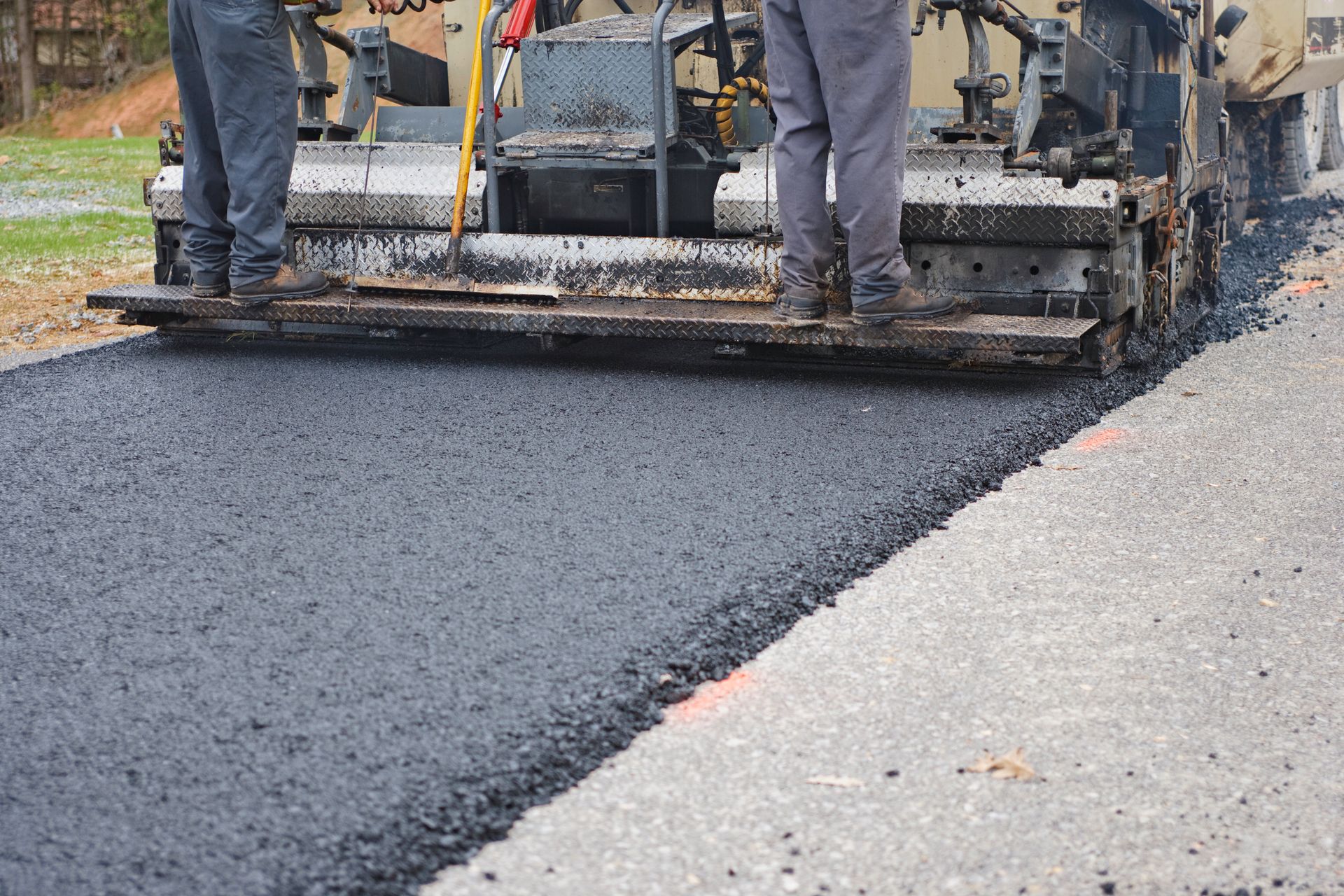
Asphalt is a highly practical choice for driveways, parking lots, and road surfaces across North Texas. It handles heavy vehicle loads well and installs efficiently on both residential and commercial properties. In extreme summer heat, proper installation thickness and a well-compacted base matter most for long-term performance. Periodic resealing refreshes the surface and extends useful life.
The Role of Base Preparation on Fort Worth Clay
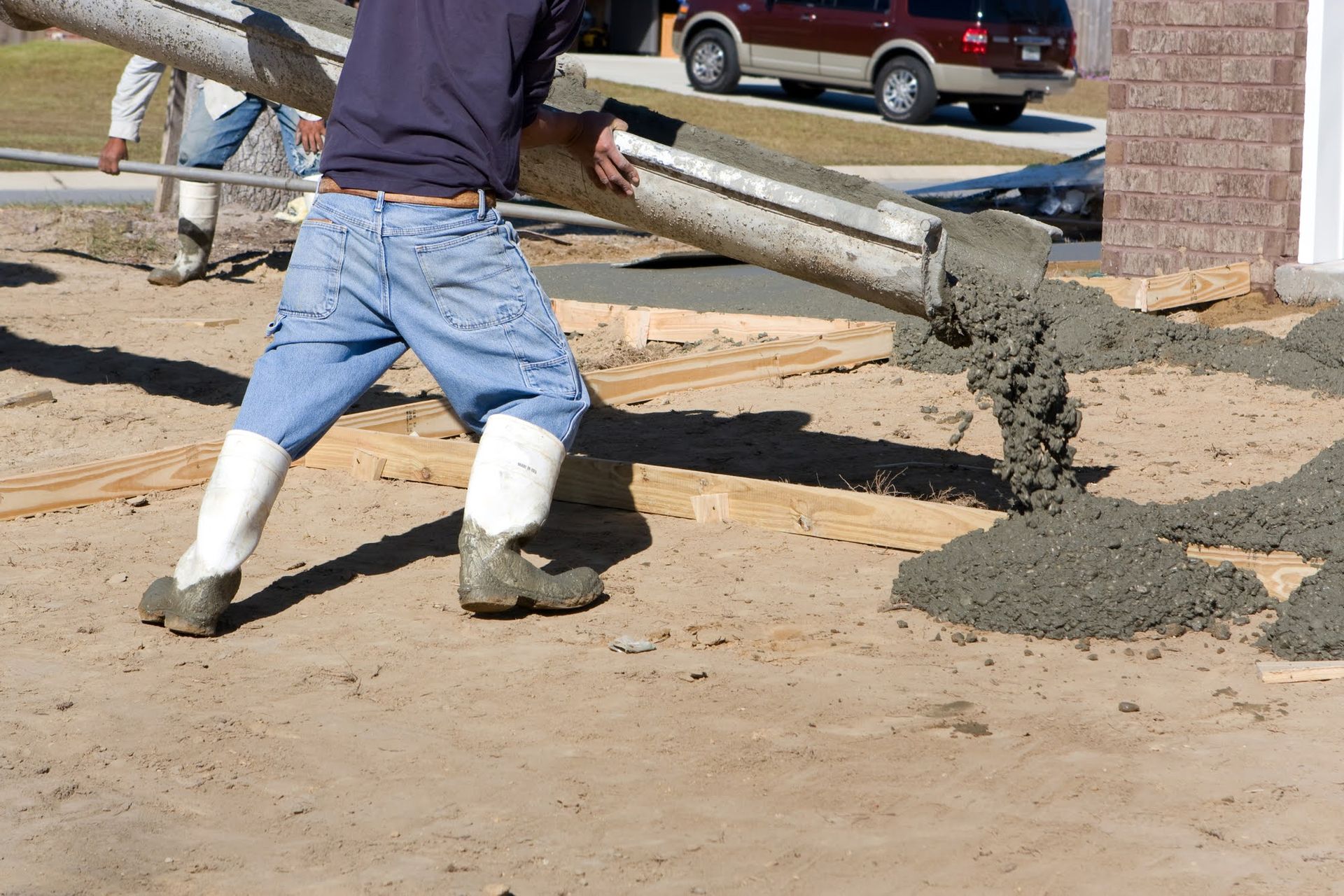
Base preparation may matter more in Fort Worth than anywhere else in Texas. Clay soil here can swell up to 12 percent when saturated and shrink significantly when dry. That kind of movement will expose any shortcut taken during installation. Using 6 to 8 inches of compacted crushed stone, screeded flat in lifts, is widely considered the only reliable way to prevent settling on Fort Worth clay.
Drainage design also plays a key role. Permeable paver options allow water to drain through the surface rather than run off, which helps manage moisture around foundations on properties where clay does not absorb water quickly.
Do Pavers in Fort Worth Need to Be Sealed?
Sealing is strongly recommended for most paver materials in this climate. Texas summer UV exposure can fade unsealed surfaces over time. Cleaning and resealing in early summer protects the investment before temperatures peak. Most paver types in Fort Worth benefit from attention every few years to maintain color, surface integrity, and resistance to moisture intrusion.
How Does Fort Worth's Climate Affect Paver Longevity?
Fort Worth experiences wide weather swings, from intense summer heat to occasional winter freezes. Individual paver units offer a practical advantage over monolithic surfaces: they shift with the soil but can be re-leveled without replacing the entire surface. That repairability makes a real difference in long-term cost and convenience on Fort Worth clay.
Make the Right Call for Your Fort Worth Property
Selecting the best pavers serving Fort Worth, TX, comes down to matching material strengths to local soil behavior, sun exposure, drainage needs, and intended use. No single paver type is right for every property, but every successful installation starts with the right base and a contractor who understands how North Texas clay moves with the seasons.
North American Paving has served the Fort Worth, TX, area and greater DFW region for over two decades, providing asphalt and paving solutions for residential and commercial properties with no-surprise pricing and a one-year workmanship warranty. Ready to discuss your project? Contact the team for a free estimate or call (817) 426-4469 today. You can also learn more about paving services serving Fort Worth, TX, to explore how North American Paving can help with your next project.